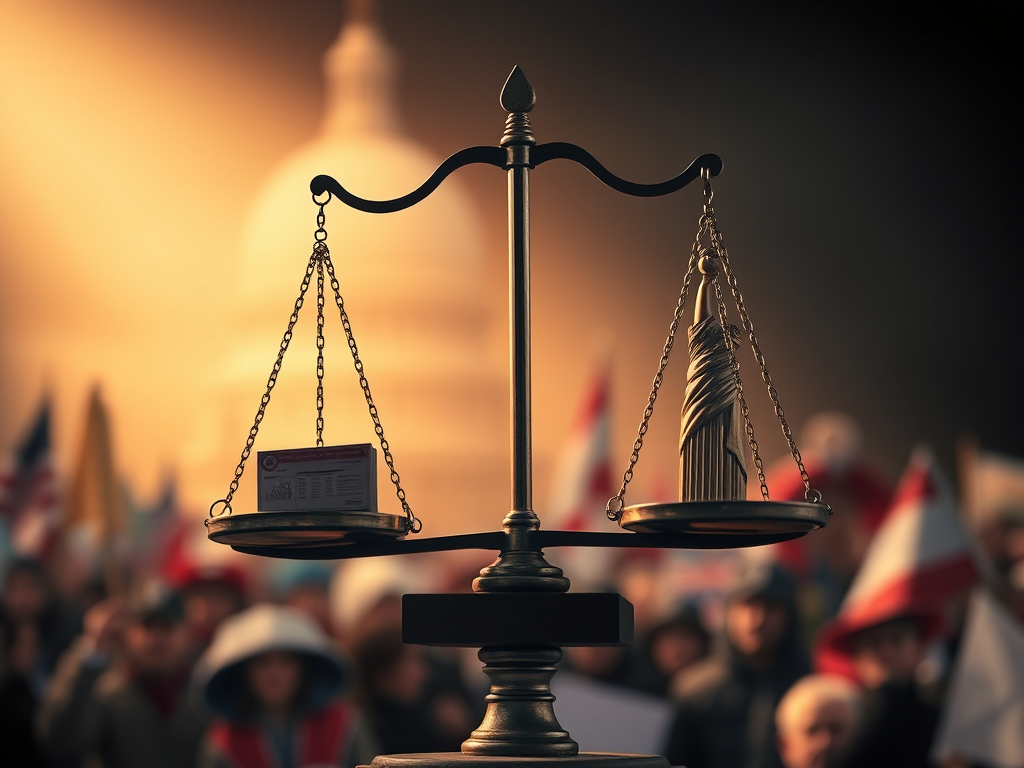
The Doctrine of Gradualness: A Pathway to the Erosion of Democratic Rule
In the realm of political theory and practice, the doctrine of gradualness refers to the slow and often imperceptible changes in governance and societal structures that can lead to significant shifts in power dynamics. While gradual reforms can be beneficial in some contexts, they can also pave the way for the erosion of democratic principles and the establishment of authoritarian regimes.
Understanding the Doctrine of Gradualness
The doctrine of gradualness suggests that changes in political systems and societal norms occur incrementally rather than through abrupt upheavals. This gradual approach can be seen in various aspects of governance, including the implementation of laws, the expansion of governmental powers, and the alteration of civil liberties. While gradual reforms may appear benign or even necessary, they can mask more insidious agendas that undermine democratic institutions.

The Risks of Gradualism in Democracy
- Erosion of Civil Liberties: Gradual changes in laws and regulations can lead to the slow erosion of civil liberties. For instance, the introduction of surveillance measures may begin with the justification of national security but can expand to infringe upon individual privacy rights over time.
- Concentration of Power: As governments implement gradual reforms, there is a risk of power becoming increasingly centralized. This concentration can occur through the expansion of executive powers, often justified by the need for efficiency or crisis management, ultimately undermining the checks and balances essential to a democratic system.
- Normalization of Authoritarian Practices: Gradualism can lead to the normalization of practices that are contrary to democratic values. For example, the gradual acceptance of censorship or the suppression of dissent can create an environment where citizens become desensitized to the loss of their rights.
- Public Apathy: The slow pace of change can result in public apathy, where citizens become disengaged from the political process. When changes occur gradually, individuals may not recognize the significance of these shifts until it is too late, leading to a lack of resistance against authoritarian measures.
Historical Examples
History provides numerous examples of how gradualism has contributed to the decline of democratic rule. In various countries, leaders have exploited crises to implement gradual reforms that ultimately consolidate their power. The erosion of democratic norms often goes unnoticed until the consequences are fully realized, leaving citizens with limited options for recourse.
Conclusion
The doctrine of gradualness serves as a reminder of the importance of vigilance in the preservation of democratic values. While gradual reforms can be necessary for progress, it is crucial to remain aware of the potential risks associated with incremental changes in governance. Citizens must actively engage in the political process, advocate for transparency, and hold their leaders accountable to safeguard democracy from the creeping influence of authoritarianism.

As we navigate the complexities of governance, let us remember that democracy requires constant vigilance and active participation to thrive.


Leave a Reply