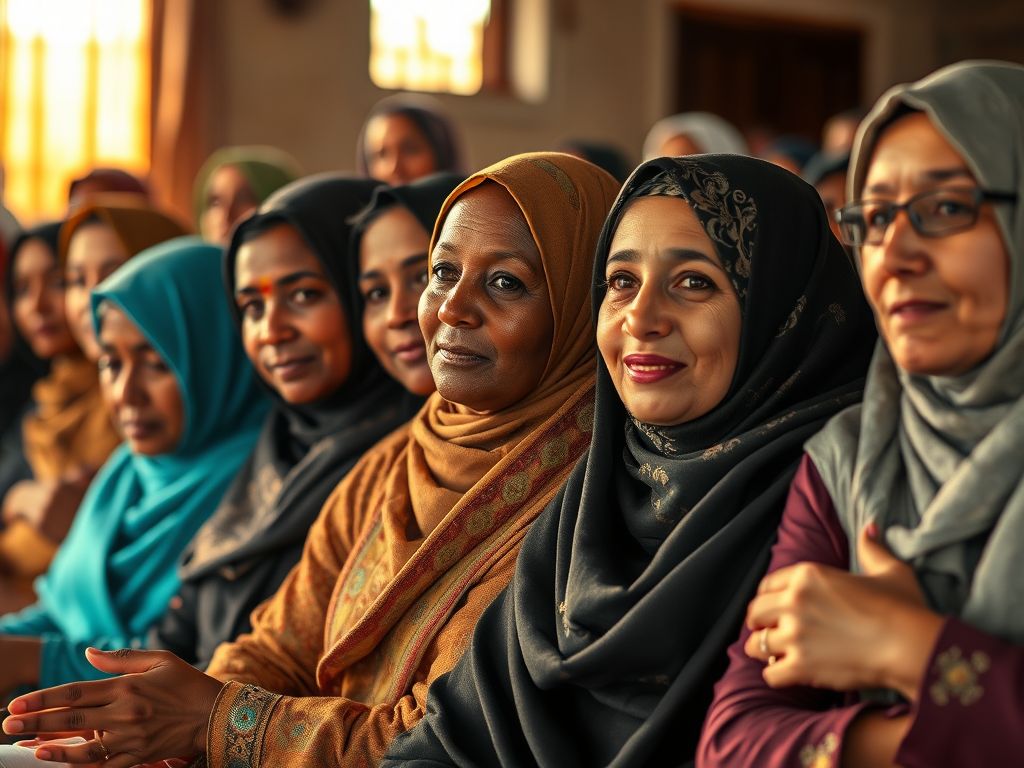
Celebrating the Strength of Women in Gender Relationships: An Islamic Perspective
In a world where gender dynamics are constantly evolving, the strength of women plays a pivotal role in shaping relationships and communities. From the nurturing qualities that foster connection to the leadership that drives change, women have always been at the forefront of societal development. In Islam, the value and strength of women are deeply rooted in the teachings of the Qur’an and the traditions of the Prophet Muhammad (peace be upon him), which emphasize their dignity, rights, and essential role in humanity.
The Power of Female Influence
Women possess a unique ability to influence relationships through their emotional intelligence and nurturing nature. In Islam, women are revered as the backbone of the family unit. The Prophet Muhammad (peace be upon him) said, “Paradise lies at the feet of your mother,” highlighting the immense respect and honor given to mothers. This acknowledgment of women’s roles as caregivers and educators underscores their strength in shaping future generations.

Redefining Gender Roles
As society progresses, traditional gender roles are being redefined. Women are stepping into leadership positions across various fields, from politics to business. In Islam, women have always held significant roles; Khadijah, the wife of the Prophet Muhammad (peace be upon him), was a successful businesswoman who supported her husband and played a crucial role in the early Islamic community. Her example serves as a reminder that women can excel in their careers while maintaining their familial responsibilities.
Best selling products
-

Culture Club Project Love Hat
£23.00 -

Creatine Monohydrate Supplement (300g, 10.58oz)
£34.00 -

Nusra Scented Soy Candle, 9oz
£18.65 -

Purple Unisex Swim Shorts with ‘First Home’ Design | Beachwear, Summer Shorts, Pool Party, Vacation Essentials, Gift Idea
Price range: £45.27 through £48.13
Women as Change Agents

Throughout history, women have been at the forefront of social movements, advocating for justice and equality. In Islam, the concept of justice is paramount, and women have been instrumental in promoting social change. Figures like Fatimah, the daughter of the Prophet Muhammad (peace be upon him), exemplify strength and resilience in standing up for their rights and the rights of others. Their stories inspire women today to be change agents in their communities.
The Importance of Male Allies
The journey toward gender equality is not one that women can navigate alone. The role of male allies is crucial in supporting women’s empowerment. In Islam, men are encouraged to treat women with respect and kindness. The Qur’an states, “And among His signs is that He created for you from yourselves mates that you may find tranquility in them” (Qur’an 30:21). This verse emphasizes the importance of mutual respect and support in relationships, fostering an environment where both genders can thrive.
Emotional Labor and Relationships
Women often take on the role of emotional caretakers in relationships, a form of labor that is vital yet frequently overlooked. In Islam, the emotional well-being of family members is essential, and women’s contributions in this regard should be recognized and valued. The Prophet Muhammad (peace be upon him) exemplified this by showing compassion and understanding towards his family, setting a standard for emotional support in relationships.
Strength in Vulnerability
Embracing vulnerability can be a source of strength for women. In Islam, the concept of humility is celebrated, and women are encouraged to express their feelings and seek support. The story of Maryam (Mary), the mother of Isa (Jesus), illustrates the strength found in vulnerability. Despite facing immense challenges, her faith and resilience serve as a powerful example for women navigating their own struggles.

Intergenerational Wisdom
Women pass down strength and resilience through generations, sharing stories and experiences that shape their identities. In Islamic tradition, the teachings of the Prophet Muhammad (peace be upon him) emphasize the importance of family and community. Women play a crucial role in preserving cultural and religious values, ensuring that future generations are grounded in their heritage.
Women in Conflict Resolution
Women have a unique perspective that can contribute to peacebuilding and conflict resolution. In Islam, the principles of justice and compassion guide interactions between individuals. Women, with their innate ability to empathize and communicate, can bridge divides and foster understanding in times of conflict.
The Balance of Power
Achieving balance in gender relationships is essential for a harmonious society. Islam promotes equality and mutual respect between men and women. The Qur’an states, “Indeed, the most noble of you in the sight of Allah is the most righteous of you” (Qur’an 49:13). This verse emphasizes that piety and righteousness, not gender, determine a person’s worth.
Celebrating Female Friendships
The strength found in female friendships is a powerful force for empowerment. Women supporting one another creates a network of resilience and encouragement. In Islam, sisterhood is celebrated, and women are encouraged to uplift each other, fostering a sense of community and solidarity.
Conclusion
The strength of women in gender relationships is a testament to their resilience, compassion, and leadership. By embracing their roles as nurturers, change agents, and leaders, women continue to shape the world for the better. In Islam, the teachings that honor and elevate women serve as a guiding light, reminding us of the invaluable contributions they make.


Leave a Reply