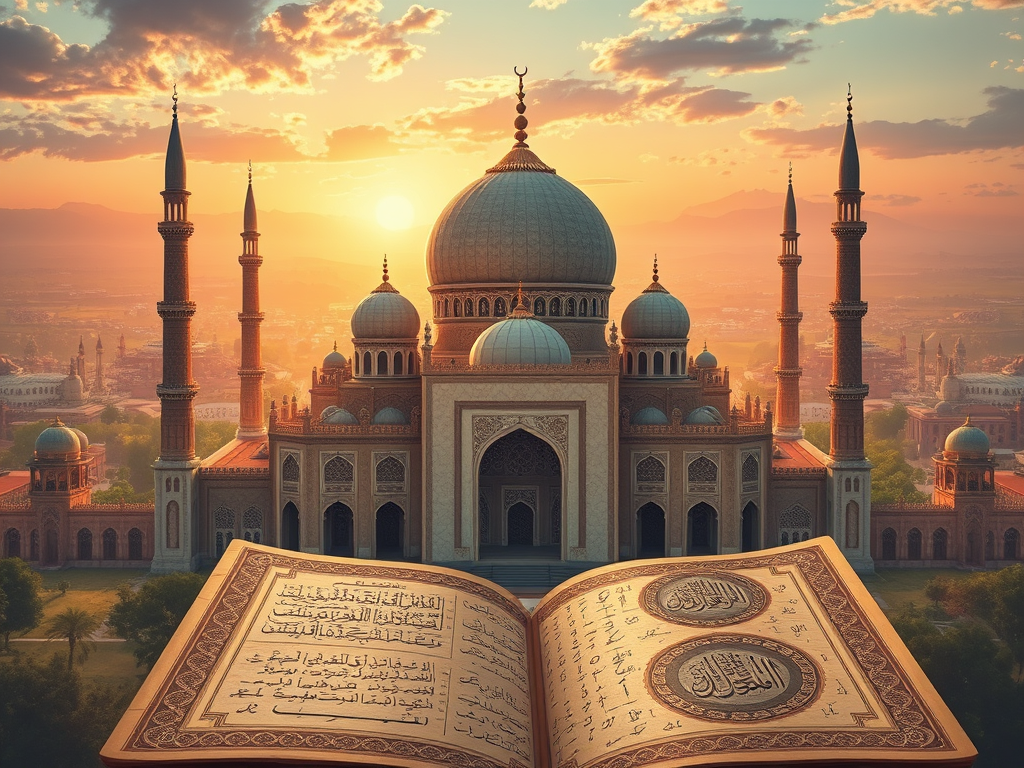
The Contributions of Islam and Muslims to the World: A Path to Future Unity and Understanding
Throughout history, Islam and Muslims have made significant contributions to various fields, shaping the world in profound ways. From science and mathematics to art and philosophy, the legacy of Islamic civilization is rich and diverse. As we look towards the future, it is essential to recognize these contributions and foster a spirit of unity and understanding among all communities.
1. Advancements in Science and Medicine
Islamic scholars played a pivotal role in the advancement of science and medicine during the Golden Age of Islam (8th to 14th centuries). Figures like Ibn Sina (Avicenna) and Al-Razi made groundbreaking discoveries in medicine, laying the foundations for modern medical practices. Their works, such as “The Canon of Medicine,” were used as standard textbooks in Europe for centuries.

Moreover, Muslim astronomers like Al-Battani and Al-Farghani made significant contributions to astronomy, improving our understanding of the cosmos and developing tools like the astrolabe, which were essential for navigation.
2. Mathematics and Engineering
The contributions of Muslims to mathematics are undeniable. The introduction of the numeral system we use today, including the concept of zero, can be traced back to Islamic scholars. Al-Khwarizmi, often referred to as the “father of algebra,” developed algorithms that are still fundamental in mathematics today.
In engineering, the architectural marvels of the Islamic world, such as the Alhambra in Spain and the Great Mosque of Samarra, showcase the ingenuity and creativity of Muslim architects and builders. These structures not only serve as places of worship but also as symbols of cultural heritage.
3. Art and Literature
Islamic art is characterized by its intricate designs, calligraphy, and geometric patterns. The prohibition of depicting human figures in religious contexts led to the flourishing of abstract art forms that continue to inspire artists worldwide. The works of poets like Rumi and Hafiz have transcended cultural boundaries, promoting messages of love, unity, and spirituality.
4. Philosophy and Ethics
Islamic philosophers, such as Al-Farabi and Ibn Rushd (Averroes), contributed to the fields of ethics and political philosophy. Their writings explored the relationship between reason and faith, influencing Western thought during the Renaissance. The emphasis on justice, compassion, and community welfare in Islamic teachings continues to resonate today, offering valuable insights for addressing contemporary social issues.
The Path to Future Unity and Understanding
As we celebrate the contributions of Islam and Muslims, it is crucial to recognize the importance of unity and understanding in our increasingly interconnected world. Here are some steps we can take to foster this spirit:

- Promote Dialogue: Encouraging open conversations between different cultures and religions can help dispel misconceptions and build bridges of understanding.
- Educate and Inform: Sharing knowledge about the rich history and contributions of Islamic civilization can foster appreciation and respect among diverse communities.
- Collaborate for Common Goals: Working together on global challenges, such as poverty eradication and climate change, can unite people from different backgrounds in pursuit of a common purpose.
- Embrace Diversity: Celebrating the diversity within the Muslim community and among other faiths can enrich our collective experience and promote harmony.
In conclusion, the contributions of Islam and Muslims to the world are vast and varied, reflecting a legacy of knowledge, creativity, and compassion. As we move forward, let us strive for unity and understanding, recognizing that our shared humanity is the foundation for a brighter future.


Leave a Reply