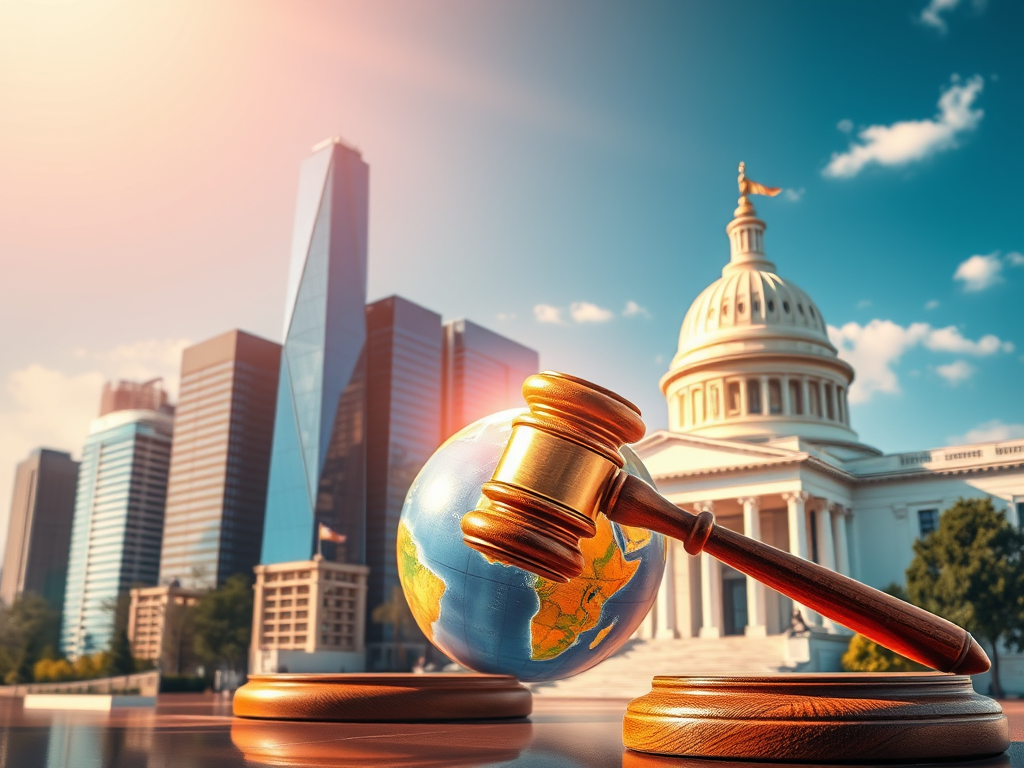
**Capitalism: Where Business Meets Governance**
In today’s interconnected world, the relationship between business and governance has become increasingly complex and significant. Capitalism, as an economic system, thrives on the principles of free markets, competition, and private ownership. However, the intersection of business and governance raises important questions about the role of corporations in society, the impact of government policies on economic growth, and the ethical responsibilities of businesses.
### The Evolution of Capitalism
Capitalism has evolved over centuries, adapting to changing social, political, and economic landscapes. From its early roots in mercantilism to the rise of industrial capitalism, the system has undergone significant transformations. In the 21st century, we witness a new phase of capitalism characterized by globalization, technological advancements, and the increasing influence of multinational corporations.

### The Role of Government in Capitalism
Governments play a crucial role in shaping the capitalist landscape. They establish the legal framework within which businesses operate, regulate markets, and provide essential public goods and services. Effective governance is essential for creating a stable environment that fosters economic growth and innovation. However, the balance between regulation and free enterprise is delicate. Excessive regulation can stifle entrepreneurship, while a lack of oversight can lead to market failures and social inequalities.
### Corporate Social Responsibility (CSR)
As businesses navigate the complexities of capitalism, the concept of Corporate Social Responsibility (CSR) has gained prominence. CSR emphasizes the ethical obligations of companies to consider the social and environmental impacts of their operations. In an era where consumers are increasingly conscious of corporate behavior, businesses are recognizing that their success is intertwined with the well-being of society. Companies that prioritize CSR not only enhance their reputation but also contribute to sustainable development and social cohesion.
Top rated products
-

Noble Crest
£129.00 -

Purple Unisex Swim Shorts with ‘First Home’ Design | Beachwear, Summer Shorts, Pool Party, Vacation Essentials, Gift Idea
Price range: £45.27 through £48.13 -

DigitalEdge
£489.00 -

Ansari Men’s premium cotton t-shirt
Price range: £30.50 through £36.50
### The Influence of Multinational Corporations

Multinational corporations (MNCs) wield significant power in the global economy. Their ability to operate across borders allows them to tap into diverse markets and resources. However, this power also raises concerns about accountability and governance. MNCs can influence government policies, labor standards, and environmental regulations in ways that may not always align with the public interest. As such, there is a growing call for greater transparency and ethical practices within these corporations.
### The Future of Capitalism
The future of capitalism will likely be shaped by the ongoing dialogue between business and governance. As societies grapple with pressing challenges such as climate change, income inequality, and social justice, the role of businesses in addressing these issues will be scrutinized. Innovative business models that prioritize sustainability and inclusivity may emerge as key drivers of economic growth.
### Conclusion
Capitalism, at its core, is a dynamic system that thrives on the interplay between business and governance. As we navigate the complexities of the modern world, it is essential to foster a collaborative relationship between these two spheres. By promoting ethical practices, responsible governance, and sustainable development, we can create a more equitable and prosperous future for all.
—
If you’re interested in exploring more about the intersection of business and governance or discussing ways to promote sustainable practices, feel free to reach out! Together, we can contribute to a better understanding of capitalism and its impact on society.


Leave a Reply