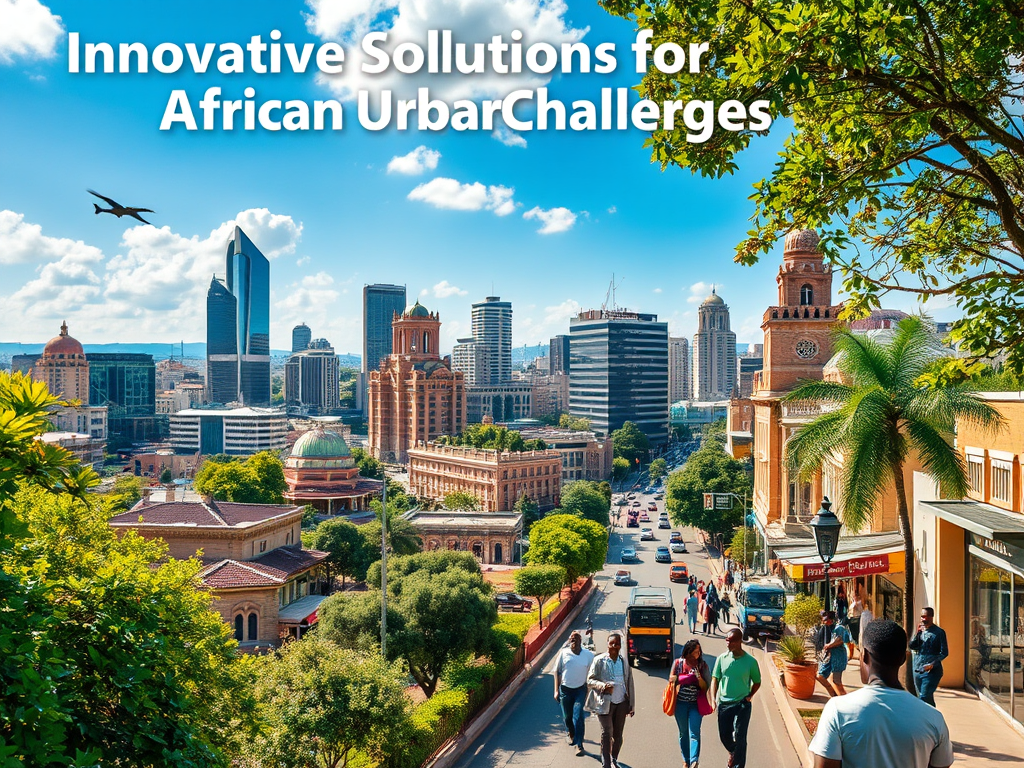

The Urban 20 Mayoral Summit in Johannesburg (September 2025) highlighted several key themes and priorities for African cities, based on the summit agenda and published materials. Here’s a concise summary of the main takeaways:
🌍 Key Themes for African Cities
– Climate Resilience and Adaptation: African mayors emphasized the urgent need for infrastructure and policy solutions to address climate change, especially in vulnerable urban areas.
– Inclusive Urban Development: There was a strong focus on equity—ensuring that city growth benefits all residents, including marginalized communities.
– Youth Empowerment and Employment: Recognizing Africa’s young population, leaders discussed strategies to create jobs and foster entrepreneurship.
– Digital Transformation: Cities are pushing for better digital infrastructure to support governance, education, and economic growth.
– Collaborative Governance: African cities called for stronger partnerships between local governments, national authorities, and international organizations to tackle shared challenges.

🏙️ Notable Participating Cities
Cities like Accra, Freetown, Addis Ababa, and Johannesburg played prominent roles in shaping the summit’s outcomes, often sharing innovative local initiatives and calling for more global support.
Here’s a spotlight on what some leading African cities brought to the table at the Urban 20 Mayoral Summit in Johannesburg:
🌆 City Highlights from the U20 Summit
Johannesburg, South Africa
- Host City Initiatives: Focused on climate resilience, inclusive growth, and digital transformation.
- Smart City Vision: Emphasized tech-driven governance and infrastructure upgrades to improve service delivery.
Freetown, Sierra Leone
- Climate and Urban Planning: Mayor Yvonne Aki-Sawyerr shared Freetown’s innovative tree-tracking app and community-led reforestation efforts.
- Youth Engagement: Highlighted programs to involve young people in city planning and environmental stewardship.
Accra, Ghana
- Waste Management Innovation: Introduced scalable models for recycling and sanitation.
- Green Spaces: Advocated for urban greening to combat heat and improve public health.
Addis Ababa, Ethiopia
- Transport and Mobility: Shared progress on expanding public transit and reducing congestion.
- Affordable Housing: Discussed partnerships to address housing shortages for low-income residents.
Lagos, Nigeria (though not confirmed as present, often cited in regional discussions)
- Digital Infrastructure: Known for pushing smart city frameworks and e-governance.
- Flood Mitigation: Shared lessons from recent climate adaptation strategies.
These cities are not just responding to challenges—they’re shaping the future of urban Africa through innovation, collaboration, and community-driven solutions. If you’d like, I can dive deeper into one city’s specific programs or pull up related case studies.

Conclusion
Establishing an African Trade Centre is not only feasible—it could be transformative. Here’s a breakdown of its viability and strategic value:
🌍 Why an African Trade Centre Makes Sense
1. Continental Integration
- AfCFTA Momentum: The African Continental Free Trade Area (AfCFTA) already provides a legal and economic framework for intra-African trade. A centralized trade centre could operationalize this by hosting trade fairs, negotiations, and logistics coordination.
- Regional Hubs: Cities like Johannesburg, Nairobi, Lagos, and Accra are already emerging as trade and finance nodes. A trade centre could amplify their roles.
2. Infrastructure Readiness
- Transport Corridors: Many African cities are investing in ports, railways, and highways that connect regions. A trade centre could serve as a coordination point for these networks.
- Digital Platforms: With rising mobile penetration and fintech innovation, a hybrid physical-digital trade centre could support e-commerce, customs processing, and supply chain visibility.
3. Economic Impact
- SME Empowerment: A trade centre could provide market access, training, and financing for small and medium enterprises.
- Job Creation: It would stimulate employment in logistics, manufacturing, services, and tech.
🏗️ What It Could Look Like
| Feature | Description |
|---|---|
| Physical Hub | Exhibition halls, customs offices, trade missions, and logistics terminals |
| Digital Layer | E-commerce integration, trade data analytics, virtual trade shows |
| Policy Interface | Space for AfCFTA coordination, dispute resolution, and regulatory harmonization |
| Education & Innovation | Training centres, incubators, and research labs focused on trade and development |
🔍 Challenges to Address
- Political Coordination: Requires buy-in from multiple governments and regional blocs.
- Funding: Needs public-private partnerships and possibly multilateral support (e.g., AfDB, World Bank).
- Security & Stability: Must be located in a politically stable and accessible city.


Leave a Reply