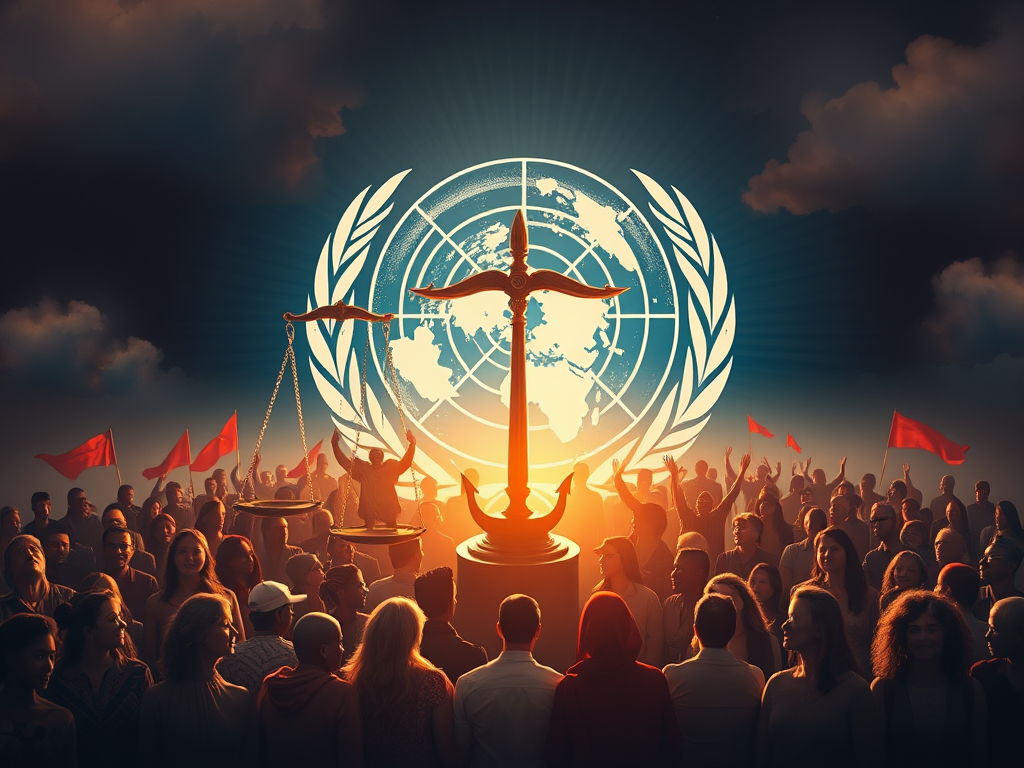

In an era characterized by rapid globalization and interconnectivity, the importance of humanitarian laws and ethics has never been more significant. As societies evolve, the recognition of our shared humanity becomes increasingly crucial in shaping a future that prioritizes the well-being of all individuals. Understanding and adhering to humanitarian laws is essential in combatting corruption, ensuring justice, and fostering a global community grounded in respect and dignity.
The Role of Humanitarian Laws
Humanitarian laws are designed to protect individuals, especially in times of conflict and crisis. They uphold the rights and dignity of all persons and seek to minimize suffering. The Geneva Conventions are perhaps the most well-known examples, outlining the standards of international law for humanitarian treatment in war. Such laws serve as a framework for accountability, placing moral and legal obligations on nations and actors to treat individuals humanely, regardless of the circumstances.

When upheld, these laws promote peace and stability. Nations that honor humanitarian principles are less likely to succumb to chaos or lawlessness. They create a foundation for trust, not only among their citizens but also in the international community, thereby fostering cooperation and collaboration across borders.
The Ethical Foundation
Alongside the legal frameworks, ethical considerations are fundamental in guiding human behavior and decision-making. Ethics inform us about what is right or wrong, providing a moral compass that steers societies toward justice, equity, and compassion. Empathy and respect for human dignity transcend cultural and national boundaries, making humanitarian ethics a universal language that speaks to our better selves.
Incorporating strong ethical values into our everyday lives encourages integrity and accountability. It challenges individuals and societies to reflect on their actions and the impact they have on others, thereby discouraging corruption and abuse of power.
The Consequences of Neglect
Failure to adhere to humanitarian laws and ethical standards leads to dire consequences, including increased corruption and the weakening of institutions. When laws are disregarded, the cycle of oppression and violence ensues, undermining security and eroding public trust. As corruption flourishes, it seeps into every facet of society, leaving the most vulnerable at risk and creating an environment ripe for exploitation.
The global landscape is not immune to these issues; corruption knows no borders, and when humanitarian principles are cast aside, the very fabric of societal trust is torn apart. Our collective future hinges on our ability to cultivate an environment of integrity by upholding these laws and ethics.
A Call for Reflection and Action
As we navigate the complexities of modern life, it is essential to reflect on our shared responsibility in fostering a just world. We must strive for forgiveness and seek nearness to God, allowing faith and spirituality to guide our actions. By nurturing compassion and understanding, we can counter the influence of saboteurs and false deities that distort our sense of purpose.
Let us come together in prayer for wisdom and guidance. In seeking a higher power to help us navigate the tumultuous waters of human interaction, we may find clarity and direction toward a future marked by peace and ethical governance.
Conclusion
The importance of humanitarian laws and ethics in our world cannot be overstated. They are the bedrock upon which we build a just society, promoting dignity, respect, and accountability. In recognizing our shared humanity, we must commit ourselves to uphold these principles, ensuring a hopeful future for generations to come. Together, let us work toward a world where compassion triumphs over corruption, and every voice is heard, respected, and valued.


Leave a Reply